Ever spent time perfecting your hairstyle in the morning, only to have it collapse by lunch? Or maybe you’ve struggled with products that leave your hair looking greasy and stiff? If you’re nodding along, it’s time to discover hair clay.
This versatile styling product has become a game-changer for men who want their hair to look effortlessly styled, not overly done. Whether you’re heading to the office, hitting the gym, or going out with friends, hair clay delivers the hold you need with a natural, matte finish that looks like you barely tried.
But here’s the thing: the secret to great hair isn’t just about the product you use. It’s about knowing how to use it properly.
In this comprehensive guide, we’ll walk you through everything you need to know about using hair clay, from understanding what it is to mastering the application technique that’ll transform your grooming routine.
What Is Hair Clay?
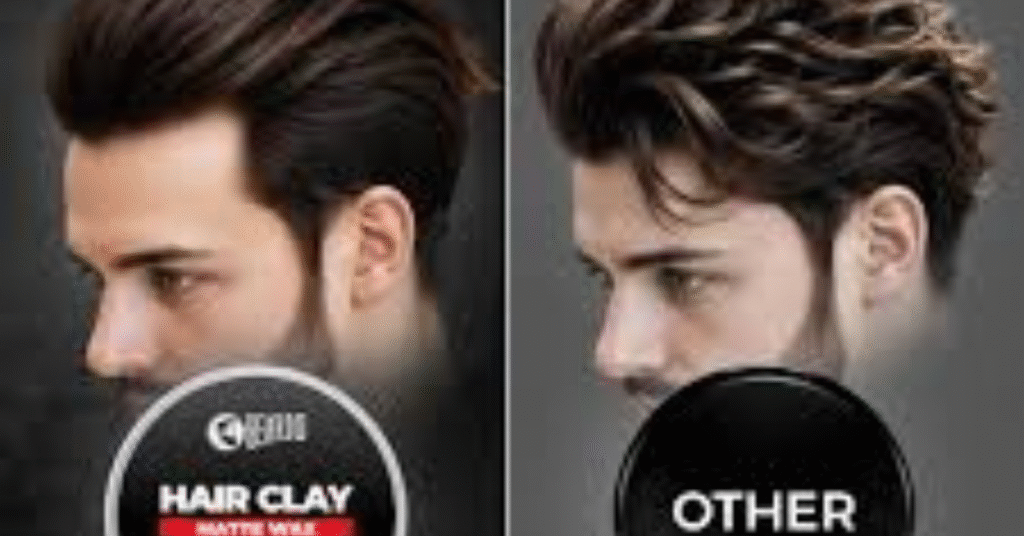
Hair clay is a styling product designed to give your hair a strong, flexible hold while maintaining a natural, matte appearance. Unlike gels that can leave your hair crunchy or pomades that add shine, clay offers something different: control without the obvious “I’m wearing product” look.
Think of it as the middle ground between having perfectly styled hair and looking like you just rolled out of bed in the best way possible.
The best hair clays are typically formulated with natural ingredients like bentonite clay and kaolin. These minerals don’t just style your hair; they also absorb excess oils from your scalp, keeping your hair looking fresh throughout the day.
Many quality formulations also include nourishing ingredients like argan oil, aloe vera, and beeswax that promote scalp health while adding texture and definition.
What makes clay particularly appealing is its versatility. It works brilliantly on short to medium-length hair and is especially effective for creating textured, modern hairstyles that emphasize movement and dimension.
Styling Hair with Clay: The Pros and Cons
Before diving into the how-to, let’s be real about what hair clay can and can’t do for you. Understanding both sides will help you decide if it’s the right product for your styling needs.
Pros of Using Hair Clay:
Hair clay offers several advantages that make it a staple in many grooming routines.
First, you get a flexible hold that maintains your style without making your hair feel stiff or brittle. Your hair stays touchable and natural-feeling, not like it’s been shellacked in place.
The matte finish is another major plus. Hair clay delivers the grooming equivalent of effortless style: your hair looks great without any greasy shine.
If you have fine or thin hair, you’ll love how clay builds volume and fullness. The natural ingredients add body and texture, making your hair appear thicker and more substantial.
Quality hair clays also nourish your scalp and hair. The natural oils and minerals in good formulations prevent dryness and promote overall hair health.
The Considerations:
Like any product, hair clay has some limitations worth noting.
It works best on short to medium-length hair. If you have very long hair, you might find that clay doesn’t distribute as easily or provide the hold you need.
The texture can feel dense if you use too much product. Hair clay is concentrated, so a little goes a long way.
You need to warm it up before applying. Unlike lighter styling products, clay requires some preparation. You can’t just slap it on and go.
How To Use Hair Clay
Ready to master the technique? Follow these four essential steps to get the most out of your hair clay and achieve professional-looking results every time.
Step 1: Start with Clean Dry or Damp Hair
The foundation of great styling starts with clean hair. You can apply hair clay to either completely dry hair or slightly damp, towel-dried hair, and each approach offers different benefits.
Using clay on dry hair gives you maximum texture and a stronger hold. This works best for shorter haircuts and styles that need more structure and definition.
Applying to slightly damp hair makes distribution easier and creates a softer, more natural hold. This is perfect for medium-length styles with more movement and flow.
Whichever method you choose, make sure your hair is clean. Product buildup from previous days will prevent the clay from working effectively.
Step 2: Warm The Product Between Your Hands
This step is crucial and often overlooked. Scoop out a small amount of clay with your fingers. For short hair, start with a pea-sized amount. For longer or thicker hair, you might need slightly more, about the size of a nickel.
Now here’s the important part: rub your hands together vigorously until the clay softens and becomes almost transparent. This process, called emulsifying, transforms the thick clay into a workable consistency.
Don’t rush this step. Take 10 to 15 seconds to really work the product between your palms. You’ll feel the texture change as it warms up.
Step 3: Work The Clay Through Your Hair
Start applying the clay at the roots and work your way to the tips. Use your fingers to distribute the product evenly throughout your hair, making sure every section gets coverage.
Don’t just apply it to the surface. Really get your fingers in there and work the clay through your hair from different angles. This creates the separation, volume, and texture that makes hair clay so effective.
Pay special attention to areas where you want the most volume or definition. For most hairstyles, this means focusing on the top and front sections while using less product on the sides.
Step 4: Style and Refine
Now comes the creative part. Use your fingers to shape your hair into your desired style. For a loose, effortless look, simply use your hands to create separation and movement.
If you prefer a more structured, polished appearance, use a comb to define your style. A comb gives you cleaner lines and more precise control.
Take a step back and check your work from different angles. The beauty of hair clay is that it remains reworkable for several minutes after application, so you have time to perfect your look.
The Best Men’s Hairstyles To Style with Hair Clay
Hair clay works exceptionally well with textured, modern hairstyles that emphasize natural movement and dimension. Here are some of the most popular looks that benefit from clay’s unique properties.
French Crop
The French crop is a short, low-maintenance style that looks sharp and athletic. The textured fringe sits forward on the forehead while the sides stay neat and tight.
Hair clay is perfect for this cut because it adds definition to the top without making it look stiff. Use your fingers to create subtle separation in the fringe for that modern, textured appearance.
Messy Quiff
The quiff is a timeless style that combines volume, height, and personality. The messy version takes this classic look and gives it a contemporary, undone twist.
Use hair clay to build volume at the front and create lift. Apply the product to slightly damp hair and use your fingers to push the hair up and back. Create separation by working the clay through with your fingertips for that edgy vibe.
Modern Mullet
The modern mullet has made a major comeback. This bold, stylish cut features shorter, choppy layers on top with longer hair in the back.
Hair clay is ideal for this style because it adds definition to the textured top while keeping the longer back sections flowing and matte. Apply more product to the crown and top layers to create that signature choppy contrast.
Middle Part Flow
The middle part flow is all about relaxed, natural movement. This style features hair parted down the middle that flows to either side with soft volume.
Clay enhances this effortless vibe by adding touchable texture without weighing the hair down. Use a small amount on damp hair and work it through from roots to tips for that casual, cool aesthetic.
Messy Hair
Sometimes the best style is barely styled at all. The intentionally messy look balances between sculpted and undone, giving you an edgier appearance.
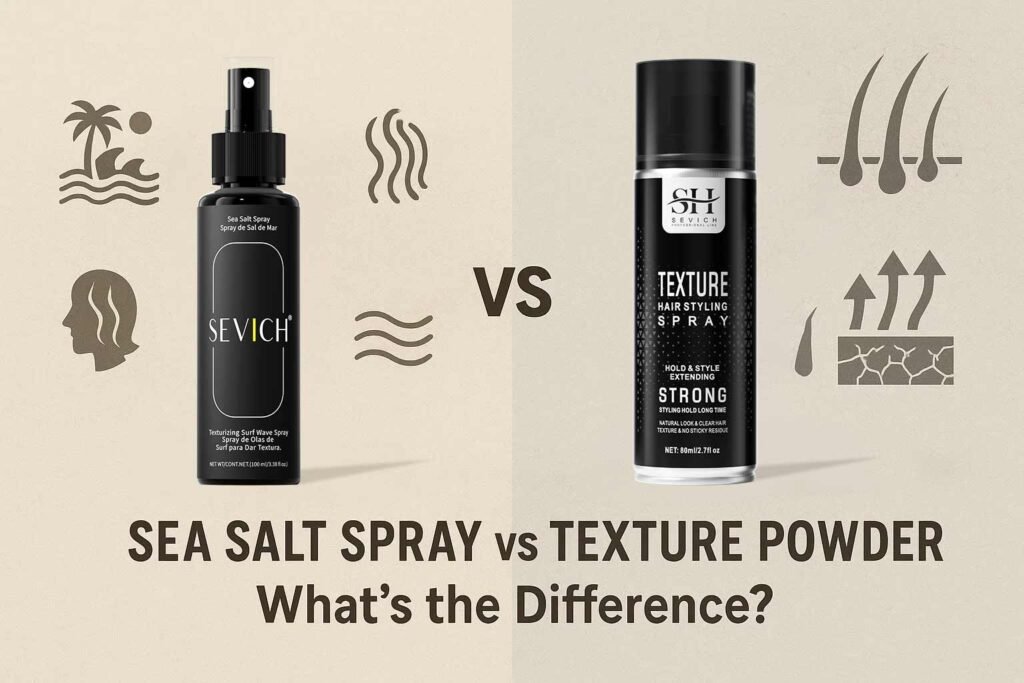
Combine hair clay with sea salt spray for maximum texture and an all-day hold. Apply the clay with your fingers, scrunching and twisting sections to create that perfectly imperfect finish.
Curly Hair
If you have natural curls, hair clay can be your best friend. It helps define and sculpt your curls without the crunch that gels often create.
Apply clay to damp, curly hair to enhance your natural texture. Use a scrunching motion rather than running your fingers through, which can disrupt the curl pattern.
Comb Over Fade
The comb over fade pairs classic sophistication with modern edge. The hair is swept to one side with a clean part, while the sides feature a gradual fade.
Hair clay adds subtle volume to the swept section while maintaining that matte, understated look. Use a comb to create clean, defined lines that stay in place all day.
Long Fringe
A long fringe makes a statement, and hair clay provides the control you need to shape and separate the front while maintaining a soft, relaxed aesthetic.
Use clay to add texture and prevent the fringe from looking flat or heavy. Work the product through the longer sections, creating piece-y separation that adds dimension.
Pomade vs Clay
If you’re trying to decide between pomade and clay, understanding the key differences will help you choose the right product for your needs.
Pomade typically offers a sleek, high-shine finish with a strong hold. It’s water or oil-based and creates that classic, polished look you see in vintage hairstyles.
Clay, on the other hand, provides a natural, matte finish with a medium to high hold. It’s ideal for textured, modern styles that emphasize volume and movement rather than sleekness.
The choice comes down to the look you want to achieve. If you’re going for a classic, formal appearance with shine, choose pomade. If you want a contemporary, natural-looking style with texture, clay is your product.