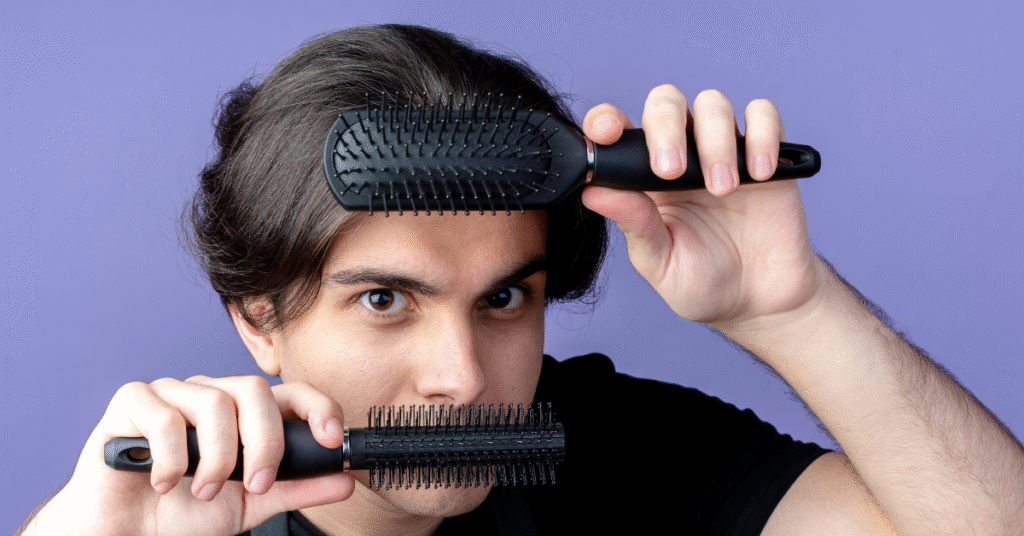
Choosing the right hair cutting comb can make the difference between a sharp, professional haircut and a messy, uneven trim. Whether you’re visiting your barber regularly or experimenting with cutting your own hair at home, understanding the nuances of different comb types is essential.
The right comb doesn’t just help you style your hair better. It protects your hair from damage, reduces breakage, and gives you the precision you need for clean lines and consistent results.
In this guide, we’ll break down everything you need to know about hair cutting combs so you can make an informed choice that suits your hair type, lifestyle, and grooming goals.
Understanding Hair Cutting Combs
A hair cutting comb isn’t just a basic grooming tool. It’s a precision instrument designed to section, guide, and control your hair during cutting and styling.
When professional barbers and hairstylists work, they rely on specific combs to achieve different effects. The comb acts as a leveling tool that ensures consistency and accuracy in every cut.
Understanding which comb to use can elevate your grooming routine from average to exceptional.
Different types of combs serve unique purposes, from cutting to styling.
Not all combs are created equal. Some are built for wet hair, others for dry hair. Some excel at precision cutting, while others are better for detangling or distributing product.
The teeth spacing, material composition, and overall design each play a crucial role in how the comb performs. A fine tooth comb gives you tight control for detailed work, while a wide tooth comb is gentler and better for thicker textures.
Knowing which comb is used to section the hair, which one helps with styling, and which one is ideal for cutting can transform your entire grooming experience.
Choosing the right comb depends on hair type, styling needs, and cutting precision.
Your hair type should be your first consideration. Straight hair responds differently than curly or textured hair. Thick hair needs wider teeth to prevent snagging, while fine hair benefits from closer spacing.
Your goals matter too. Are you doing a simple trim at home? Are you trying to create a fade or taper? Are you styling your hair with heat tools?
Each scenario requires a different approach, and the comb you choose should match your specific needs.
Types of Hair Cutting Combs
The world of hair combs can seem overwhelming, but it breaks down into a few core categories. Each type has distinct characteristics that make it suitable for particular tasks.
Let’s explore the most common types you’ll encounter.
Fine Tooth Comb vs. Wide Tooth Comb
This is the most fundamental distinction you’ll need to understand. The spacing between the teeth changes everything about how the comb works.
A fine tooth comb has teeth that are closely spaced together. This design gives you maximum control and precision. It’s perfect for creating clean parts, doing detailed cutting work, and achieving sleek, polished styles.
The tight spacing means you can section hair into very thin, manageable portions. This is essential when you need accuracy, like when you’re layering or texturizing.
Fine tooth combs work best on straight or slightly wavy hair. They can tug and snag on curly or coily textures, potentially causing breakage.
A wide tooth comb, on the other hand, has teeth spaced farther apart. This makes it much gentler on your hair, especially when it’s wet and fragile.
Wide tooth combs are excellent for detangling without causing damage. They glide through thick, curly, or textured hair with ease, minimizing frizz and preserving your hair’s natural pattern.
They’re also ideal for distributing conditioner or styling products evenly through your hair. Many stylists recommend using a wide tooth comb in the shower to work product through your hair from root to tip.
The best comb for cutting hair often depends on which of these two tooth types matches your hair texture and the style you’re creating.
Cutting Comb
A cutting comb is specifically engineered for precision haircuts. These combs typically feature a longer, thinner handle that gives you better control and maneuverability.
Most quality cutting combs have dual tooth spacing. One side features fine teeth for detailed work and tight tension, while the other side has wider teeth for working with curlier or thicker hair types.
This versatility makes cutting combs incredibly practical. You can switch sides depending on what section of hair you’re working on or what effect you’re trying to achieve.
Many professional cutting combs also include a single extended tooth that’s spaced away from the others. This parting tooth is perfect for creating clean, defined parts quickly and consistently.
Some high-end cutting combs even feature measurement markings on the spine. This allows you to gauge exactly how much length you’re removing, which is invaluable when a client or you yourself want a specific amount trimmed.
When you’re learning how to choose hair cutting shears, remember that your comb is just as important. The two tools work in tandem, and a quality comb will make your shears perform even better.
Styling Comb
Styling combs serve a different purpose than cutting combs. They’re designed for finishing work, creating texture, and maintaining your look throughout the day.
These combs are often made from heat-resistant materials like carbon, which means you can use them alongside blow dryers, straighteners, and other hot tools without worrying about melting or warping.
A good styling comb helps you create volume, set a part, or smooth down flyaways. The teeth are usually medium-spaced, offering a balance between control and gentleness.
Styling combs are particularly useful for slicked-back looks, pompadours, and side parts. They help you distribute pomade, wax, or gel evenly while shaping your hair exactly how you want it.
If you use a lot of heat styling tools, investing in a dedicated styling comb made from carbon or another heat-resistant material is essential. Standard plastic combs can melt or become damaged, which will then damage your hair.
Barber Combs
Barber combs are specialized tools designed for traditional barbering techniques. These combs have evenly spaced teeth and are built for scissor-over-comb and clipper-over-comb cutting methods.
The teeth are usually longer than those on a standard cutting comb, which allows barbers to lift the hair away from the scalp and cut it to a uniform length.
Some barber combs feature a handle on one end with longer teeth extending from it. Others have a half-and-half design with shorter teeth on one side and longer teeth on the other, though both sections maintain equal spacing.
This design makes it easy to maneuver around ears and tight spaces, which is crucial when you’re creating fades, tapers, and detailed edge work.
Another popular barber tool is the taper comb. This comb starts with wider, longer teeth and gradually tapers down to finer, shorter teeth. This graduated design is perfect for adding subtle details and creating smooth transitions in men’s haircuts.
If you’re cutting your own hair or getting regular barber cuts, understanding these tools helps you communicate better with your barber and achieve the looks you want.
Professional Hair Cutting Combs: What Makes Them Different
Professional combs aren’t just more expensive versions of the combs you find at drugstores. They’re engineered with specific features that enhance performance and durability.
The teeth on professional combs are buffed and smoothed to eliminate any rough edges or mold marks. Cheaper combs often have tiny ridges left over from the manufacturing process. These ridges can snag your hair, causing breakage and split ends over time.
Professional combs are also designed with better grip and ergonomics. The handles are shaped to fit comfortably in your hand during extended cutting sessions, reducing fatigue and giving you better control.
The tooth spacing on professional combs is more precise and consistent. This ensures that every section of hair you cut is uniform, which is essential for achieving professional results.
Many professional combs are made from high-grade materials that resist chemicals and heat. They can withstand regular exposure to sterilizing solutions, hot water, and styling tools without warping or degrading.
When you invest in a professional-quality comb, you’re investing in better results and longer-lasting performance.
Materials That Matter
The material your comb is made from significantly impacts its performance, durability, and how it affects your hair.
Plastic combs are the most common and affordable option. They’re lightweight and gentle on both hair and scalp, making them suitable for all hair types. However, not all plastic is created equal.
Cheap injection-molded plastic combs can have rough seams and generate static electricity, which causes frizz and flyaways. Higher-quality plastic combs made from cellulose acetate are smoother, more durable, and less likely to cause static.
Rubber combs offer excellent grip and are naturally anti-static. They’re more durable than standard plastic and provide better control when you’re cutting or styling. Rubber combs are particularly effective at managing frizz and flyaways.
Carbon combs represent the premium tier of comb materials. They’re incredibly strong and durable, with natural heat resistance that makes them perfect for use with blow dryers and other hot tools.
Carbon is also anti-static, which means it glides smoothly through your hair without causing friction or damage. Professional stylists and barbers often prefer carbon combs because they can withstand daily use and frequent sterilization without breaking down.
Specialty materials like cellulose acetate designed to mimic tortoiseshell or ivory offer a luxurious feel and smooth performance. These combs are often hand-polished and can last for years with proper care.
The material you choose should align with how you plan to use the comb and what your hair needs.
Hair Cutting Razor Combs: When to Use Them
Razor combs are specialized tools that combine a comb with integrated razor blades. These aren’t for everyday use, but they excel at creating specific effects.
A razor comb can add texture and movement to your hair, thinning out bulk without creating harsh lines. The razor creates softer, more natural-looking edges compared to traditional shears.
These combs are particularly effective for blending layers seamlessly and creating wispy, textured ends. They work well on thick hair that needs to be thinned or on styles that benefit from a more modern, edgy appearance.
However, razor combs require skill to use properly. If used incorrectly, they can create uneven texture or damage your hair. They’re best left to professionals unless you have experience and training.
When used correctly by a skilled barber or stylist, razor combs can create soft transitions and natural-looking layers that would be difficult to achieve with scissors alone.
Choosing the Right Comb for Your Hair Type
Your hair type is the single most important factor in determining which guide comb to use.
For straight, fine hair, a fine tooth comb is your best friend. The close spacing gives you precision and control, allowing you to create sleek, polished styles. You can section your hair thinly for detailed cutting work, and the comb won’t slip through your hair too easily.
However, be gentle. Fine hair is delicate and prone to breakage, so avoid aggressive combing, especially when wet.
For thick, coarse, or curly hair, a wide tooth comb is essential. The wider spacing prevents snagging and reduces the risk of breakage. This is especially important when your hair is wet and at its most vulnerable.
Use a wide tooth comb to detangle your hair gently, starting from the ends and working your way up to the roots. This method minimizes damage and helps preserve your hair’s natural texture.
For wavy hair, you might benefit from having both types. Use a wide tooth comb for detangling and initial styling, then switch to a fine tooth comb for more detailed work or creating a defined part.
For men with textured or coily hair, a wide tooth comb or a specialized pick comb works best. These tools help you shape and define your hair without disrupting the curl pattern or causing frizz.
If you’re unsure which comb to use, start with a wide tooth option. It’s more forgiving and less likely to cause damage, especially if you’re new to cutting or styling your own hair.
Product Highlights
While we won’t dive into specific pricing, understanding what features to look for can help you identify quality combs when you’re shopping.
Look for combs made from carbon or high-grade PEEK plastic. These materials offer superior durability, heat resistance, and anti-static properties that protect your hair.
Seek out combs with dual tooth spacing if you want versatility. Having fine teeth on one side and wider teeth on the other lets you adapt to different hair types and techniques without switching tools.
A parting tooth or tail is a valuable feature for creating clean, precise parts. Some combs also include measurement markings, which are helpful for consistent cutting.
For the best comb to cut your own hair, choose one with a comfortable handle and teeth that are smooth and seamless. Check that there are no rough edges or mold marks that could snag your hair.
Professional-grade combs often come in sets that include multiple styles and tooth spacings. This gives you options for different techniques and hair types without having to build your collection piece by piece.
Final Takeaway
Choosing which hair cutting comb you should use comes down to understanding your hair type, your styling goals, and the level of precision you need.
Start by identifying whether you need a fine tooth or wide tooth comb based on your hair texture. From there, consider specialized tools like cutting combs for precision work, styling combs for finishing touches, and barber combs for classic techniques.
Invest in quality materials like carbon or high-grade plastic that will last longer and protect your hair from damage. Avoid cheap combs with rough edges or seams that can cause breakage.
Remember that professional results come from using professional tools. A quality comb might cost more upfront, but it will serve you well for years and help you achieve better results every time.
Whether you’re visiting your barber regularly or learning to cut your own hair at home, the right comb is an essential tool that deserves careful consideration. With the knowledge you’ve gained from this guide, you’re now equipped to make an informed choice that elevates your grooming routine and helps you look your absolute best.