
Are you trying to grow your hair long, but the sides just stop growing? It’s really frustrating when the hair on top is doing great, but the hair near your ears and temples looks thin, short, or broken.
If you’re a guy dealing with this, you are not the only one! Most of the time, the problem isn’t a huge mystery. The hair on the sides of your head is actually much more likely to get damaged than the hair on top. It’s also often the first place we make small mistakes without realizing it.
We are going to break down the top 7 reasons your side hair isn’t growing and give you easy, step-by-step solutions to fix it. Get ready for a balanced, full head of hair!
The Basics: How Does Hair Actually Grow?
Before we talk about fixing the problem, let’s quickly look at how hair works. Think of each hair like a tiny plant on your head. This plant goes through a life cycle.
The Life of a Hair Strand
Every single hair on your head goes through four main stages. These stages are why your hair stops growing at a certain point and then falls out to make room for a new one.
- 1. The Anagen Phase (The Growing Stage): This is the active time when your hair is getting longer. It lasts for years—sometimes 2 years, sometimes 7 years, depending on your genes. If you can grow really long hair, you have a long Anagen Phase.
- 2. The Catagen Phase (The Transition Stage): This is a very short time (only a few weeks) where the hair stops growing, and the follicle (the root) shrinks a little.
- 3. The Telogen Phase (The Resting Stage): The hair strand is resting. It’s still in your head, but it is not growing. This lasts for about three months.
- 4. The Exogen Phase (The Shedding Stage): The hair finally falls out, and the follicle starts over with a brand new hair in the Anagen Phase.
Simple Fact: The reason your hair on the top grows longer than the sides might just be that the hairs on the sides have a naturally shorter Anagen Phase. But usually, it’s not just genetics—it’s damage.
4 Big Reasons Why Only the Sides Stop Growing
The sides of your head are more exposed to friction, pulling, and poor circulation than the thick canopy of hair on top. Let’s look at the four biggest culprits specific to the sides.
1. The Friction Problem: Your Pillowcase
This is the number one reason many people’s side hair breaks and seems stuck at the same length.
The Simple Science: When you sleep, you are constantly moving your head. If you always sleep on the same side, that hair gets rubbed against your pillow. If you use a rough material like cotton, it creates tiny “cuts” and frizz on the outer layer of your hair strand.
Think of it like this: Imagine rubbing a rope with sandpaper every night. The rope won’t snap right away, but it will slowly wear down until it frays and breaks. That is what cotton does to your hair! The hair is growing from the root, but the end is breaking off just as fast, so you never gain any length.
How to Fix It (The Easy Way):
- Change Your Pillow: Switch from a rough cotton pillowcase to a satin or silk pillowcase. These materials are super smooth and cause almost no friction, letting your hair slide instead of rub. This is an immediate game-changer for side hair length.
- Change Your Habit: Try to sleep on your back sometimes, or try switching which side you face every night.
2. The Pulling Problem: Tension and Accessories
Anything that causes a constant, gentle pull on the hair near your temples and ears can stop growth. Doctors call this Traction Alopecia.
What Causes the Pulling?
- Tight Hats and Caps: If you wear a fitted cap or a beanie every day, the elastic band often sits right where your side hair is. If it’s too tight, it constantly pulls on the roots.
- Headphones and Headsets: Gamers or people who work at a computer often wear large headphones. The tight band that clamps them onto your head can rub and pull the hair right above your ears and temples.
- Glasses and Sunglasses: If the arms of your glasses are too tight or you take them off roughly, they can snag and pull hair near your sideburns and temples.
- Long Hair Styles: If you are trying to grow a ponytail or man bun and pull the hair on the sides back very tightly, the tension will eventually cause the hair to weaken and fall out from the roots.
How to Fix It (The Easy Way):
- Wear looser hats or take them off when you’re inside.
- Use over-the-ear headphones less often, or choose a lighter, more comfortable style.
- Make sure your glasses are adjusted so they don’t pinch your side hair.
3. The Heat and Styling Damage
Men often use heat tools to get the sides of their hair to lie flat or to create a sharp side-part.
The Simple Science: Your hair has a protective outer layer called the cuticle (like shingles on a roof). High heat from a blow dryer or straightener raises these shingles, letting the moisture inside the hair escape. This makes the hair dry, brittle, and very easy to snap.
Why the Sides Suffer Most:
- The hair on the sides is usually finer (thinner) than the hair on the top, so it gets damaged much faster by heat.
- We often use too much heat for too long trying to “force” the sides to behave.
How to Fix It (The Easy Way):
- Air Dry: Let the sides of your hair air-dry as often as you can.
- Low Heat Only: If you must use a blow dryer, use the cool or low-heat setting. Never use the hottest setting.
- Protect: Always spray on a heat protectant product before applying any heat.
4. Poor Blood Circulation
Your hair follicles need nutrients to grow, and those nutrients travel through your blood.
The Simple Science: Good, healthy hair growth depends on good blood flow to the scalp. The blood brings the “food” your hair needs. If the blood flow is slow in one area, the hair growth will also be slow.
How to Fix It (The Easy Way):
- Massage Daily: Spend a few minutes every day giving your temples and the sides of your head a good massage with your fingertips. This simple action brings more blood flow to the area.
- Use Oils: When you massage, you can use a few drops of a light oil like diluted Rosemary oil or Coconut oil. Massaging helps the oil and the blood flow wake up the lazy hair roots.
Other General Factors Affecting Hair Growth
The four reasons above are specific to the sides, but overall hair health is still important. Sometimes, the sides are just the first place you notice a bigger problem.
5. DHT and Genetics (Male Pattern Thinning)
This is the most common reason for hair thinning in men, and it’s all in your genes.
The Simple Science: A hormone called DHT (Dihydrotestosterone) tells the hair roots to shrink. Over time, the hair that grows from those roots becomes shorter, thinner, and eventually stops growing.
What This Means for the Sides: While DHT usually starts attacking the hairline and the crown (the back of your head), it can cause general, overall thinning everywhere, including the sides. If your father or grandfather had thin hair, this might be why your side hair struggles to gain length.
6. Stress and Shock
Stress doesn’t just make you feel bad; it can actually tell your hair to fall out.
The Simple Science: When your body goes through something shocking—like a high fever, a very stressful life event, or rapid weight loss—it sees hair growth as non-essential. It saves energy by pushing a lot of hair strands into the Telogen (resting/shedding) phase all at once. Doctors call this Telogen Effluvium.
What This Means for the Sides: This type of shedding usually happens all over your head. If your sides already have thin hair, you will notice the shedding much faster there. If you had a big life event a few months ago, this could be the cause of your slow growth now.
7. Poor Diet and Nutrition
Hair is made of protein, and it needs specific vitamins to be healthy. If your diet is poor, your hair will suffer.
The Simple Science: If you don’t eat enough protein, your body can’t build strong hair. If you are low on key vitamins, the hair you grow will be weak and break easily (just like the side hair is doing now!).
Key Hair Foods You Need:
- Protein: Chicken, fish, eggs, and lentils. This is the building block of hair.
- Iron: Spinach, red meat. Iron helps blood carry oxygen to the hair roots.
- Zinc: Nuts, seeds, beans. Zinc helps the hair repair itself.
- Biotin (Vitamin B7): Eggs, avocados, sweet potatoes. Biotin is famous for supporting hair health.
Your 5-Step Action Plan to Fix Side Hair Growth
Now that you know why it’s happening, here is exactly what you need to do to fix the problem.
Step 1: Fix Your Sleeping Habits Immediately
This is the cheapest and easiest fix you can start tonight.
- The Switch: Buy a satin or silk pillowcase. You can find these online easily, and they are not very expensive. Just having this smooth surface will dramatically reduce friction damage overnight.
- The Check: If you wear a sleep mask or a headband, make sure it is loose and not pulling your temple hair.
Step 2: Use Gentle Grooming Techniques
You need to treat your side hair like it’s delicate baby hair.
- Drying: After showering, pat your hair dry with a soft towel or an old T-shirt. Never rub your hair roughly, especially on the sides. Rough rubbing causes the hair to tangle and break.
- Combing: Use a wide-tooth comb or just your fingers to untangle hair when it is wet. Wait until your hair is nearly dry before using a brush.
- Conditioning: Make sure you use a good hair conditioner every time you wash your hair. Conditioner smooths the hair’s outer layer, making it much stronger against friction and less likely to break.
Step 3: Get Regular Micro-Trims
This sounds crazy, but you need to cut your hair to make it grow longer!
Why? When the ends of your hair get split or damaged from friction (like sleeping), the break can slowly travel all the way up the hair strand, causing major breakage.
- The Goal: You need a trim that removes only the damaged, split ends.
- The Timing: Visit your barber or stylist every 6 to 8 weeks for a very light cleanup on the sides and back. Tell them you are trying to grow your hair out and just need a “dusting” of the ends to remove breakage. This keeps the hair healthy and prevents it from looking messy.
Step 4: Stop Using Heavy, Sticky Products
Many classic men’s styling products can work against your thin side hair.
- The Problem: Heavy products like thick wax, putty, or high-hold pomades can weigh down fine side hair. They also often require a lot of rubbing and pulling to wash out, which just adds to the friction damage.
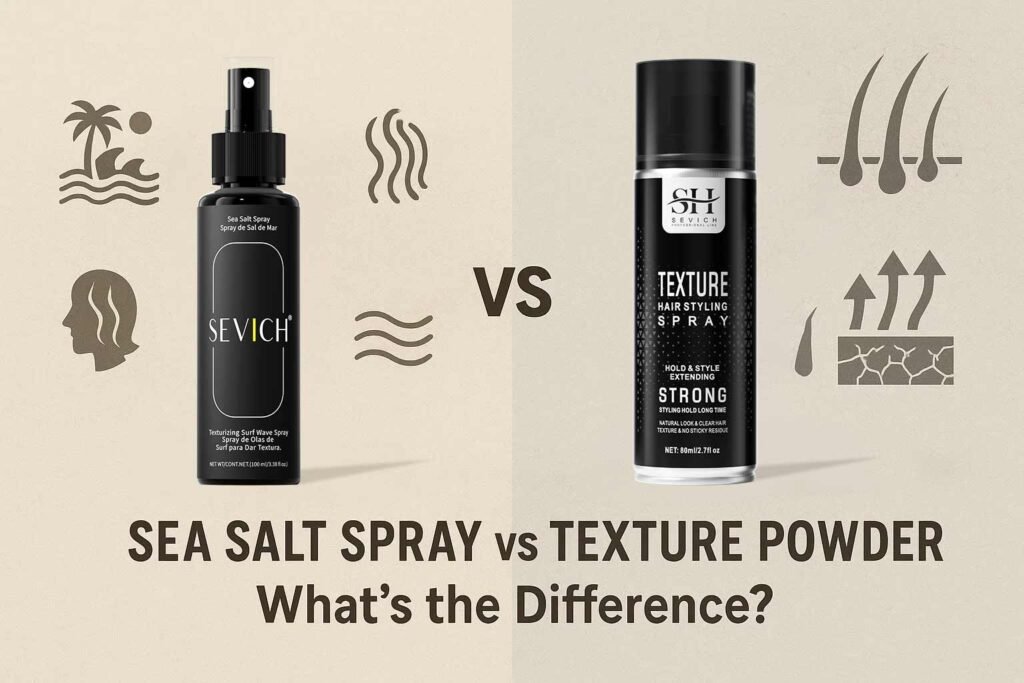
- The Switch: Look for lighter products like a styling cream, a sea salt spray, or a leave-in conditioner. These add volume and control without the heaviness or stickiness. They are much easier on your hair roots.
Step 5: Start a Simple Scalp Massage Routine
Remember, we need to send “food” (blood) to the hair roots on the sides.
- The Routine: Every night before bed, use the tips of your fingers (not your fingernails) to press firmly and rub your temples and the sides of your head in a small, gentle circular motion.
- The Time: Do this for just 3 minutes. This simple habit increases blood flow and helps wake up any sluggish hair follicles. You can do this while watching TV or listening to a podcast.
Final Takeaway: Be Patient, Be Consistent
Seeing your hair grow is a slow process. Hair only grows about half an inch per month!
If you start fixing the friction issues, stop pulling your hair with tight hats, and eat a little healthier, you will see a big difference in a few months.
Hair health is all about consistency. Keep up the gentle care and regular micro-trims, and the sides of your hair will finally start catching up with the rest. Good luck, and enjoy the process!