Some hairstyles come and go. The quiff haircut is not one of them.
Born in the rebellious 1950s rock-and-roll era, the quiff has managed to do something very few hairstyles ever achieve. It keeps reinventing itself without losing its identity.
Today, the quiff haircut sits at the crossroads of classic barbershop tradition and modern street style. It gives men the kind of look that feels polished at the office, sharp at a dinner, and effortlessly cool on the weekend.
Whether you are thinking about trying a quiff for the first time, or you are looking to upgrade the one you already have, this guide covers everything you need to know.
You will find 26 of the best types of quiff haircut for men, a clear explanation of what the quiff actually is, and a step-by-step breakdown of how to style it at home.
Let us get into it.
Trendy Men’s Quiff Haircut Ideas
The beauty of the quiff is that it comes in dozens of variations. No matter your hair type, face shape, or personal style, there is a version of the quiff that works for you.
Here are 26 of the most popular and stylish quiff haircut ideas for men right now.
Classic Quiff

The classic quiff is where it all started. It features shorter sides and longer hair on top that is swept upward and back to create a clean, structured volume.
There is nothing flashy about the classic quiff. It is smooth, refined, and timeless. The finish is polished rather than textured, which makes it a great choice for formal occasions or professional environments.
To get this look, apply a medium-hold pomade to damp hair and blow-dry the top section upward and slightly back. Use a wide-tooth comb to keep the shape neat and controlled. The result is a clean, gentlemanly style that never goes out of fashion.
Messy Quiff

If the classic quiff is buttoned-up and formal, the messy quiff is its laid-back, carefree cousin.
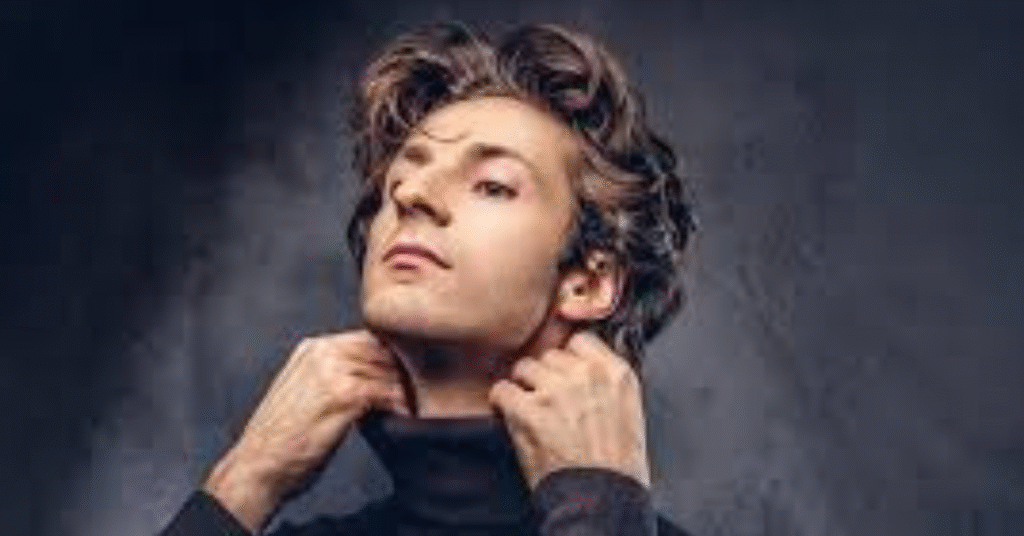
This version keeps the volume at the front but lets the hair sit in a slightly undone, tousled way. It feels youthful, casual, and full of personality. Men with naturally wavy or thick hair tend to pull off this look especially well.
Spray sea salt spray onto damp hair, scrunch it lightly, then blow-dry while using your fingers to lift the front. Finish with a matte clay and run your hands through it to create that perfectly imperfect texture. Do not try to make it too neat. The messiness is the point.
Textured Quiff
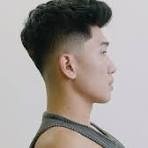
The textured quiff takes the structure of a classic quiff and adds visible layers, movement, and depth to it.
Instead of a smooth, brushed-back finish, the textured version has a more dynamic, multi-dimensional look. It is modern, versatile, and works in both casual and semi-formal settings. Thick or wavy hair responds best to this style.
Apply a texturizing spray or sea salt spray to damp hair, blow-dry it upward, then work in a small amount of matte clay using your fingertips. Separate a few sections of hair gently to emphasize the layers. The goal is controlled movement, not stiffness.
Modern Quiff
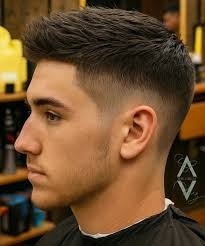
The modern quiff takes the DNA of the classic and sharpens it for today’s standards.
It usually features faded or tapered sides, a fuller top, and a finish that leans more toward texture than shine. It is cleaner and sharper than the messy quiff but more relaxed than the classic. This makes it one of the most popular everyday quiff styles for men.
Start with a lightweight styling cream on damp hair. Blow-dry the top upward and back for lift, then shape the front section with a matte pomade or clay. The modern quiff is meant to look effortless even though you have put genuine care into styling it.
Short Quiff
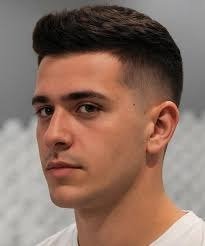
The short quiff is perfect for men who want the confidence of a quiff without committing to a lot of length.
The hair on top is kept relatively short, with just enough length at the front to create a small but noticeable lift. It is neat, easy to manage, and works in virtually every professional and social setting.
A pea-sized amount of matte clay or pomade on slightly damp hair is all you need. Blow-dry the front section upward and hold it for a few seconds to set the lift. This is the style for men who value simplicity without sacrificing sharpness.
Quiff Fade
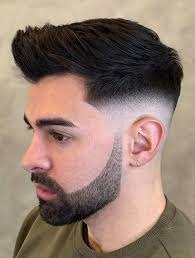
The quiff fade is one of the most requested styles at barbershops right now, and for good reason.
This style takes the classic quiff and pairs it with faded sides. The gradual taper creates a striking contrast between the voluminous top and the clean, tight sides. The result is a bold, modern haircut that works for almost every hair type.
The key to this style is keeping the fade sharp and fresh. Ask your barber to taper the sides to your preferred level, whether that is a low, mid, or high fade. At home, use a medium-hold clay to shape the quiff on top and keep the look looking polished between barber visits.
Medium Quiff
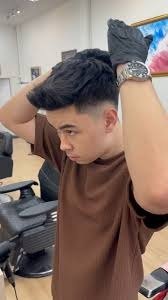
Sitting right in the middle of short and long, the medium quiff gives men the best of both worlds.
There is enough length on top to create real volume and movement, but not so much that it becomes difficult to manage. This version suits most hair types and is versatile enough to work in both relaxed and formal environments.
Apply a light styling cream or matte clay to damp hair and blow-dry the top upward and back. Shape the front with your fingers for a natural, textured finish. The medium quiff is an excellent default style for men who want something consistently great without too much effort.
Quiff with Beard
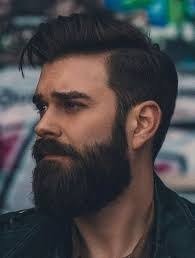
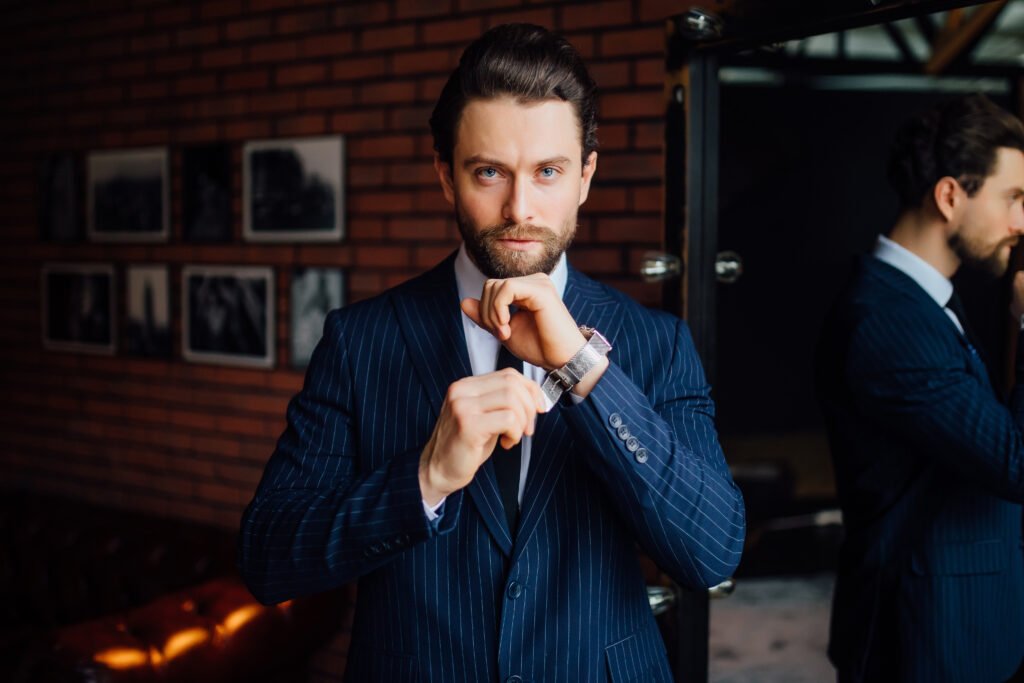
Pairing a quiff haircut with a beard is one of the best combinations in men’s grooming.
The volume at the top of the quiff balances the fullness of the beard below, creating a cohesive, masculine look that frames the face beautifully. Whether you are rocking a short stubble or a full beard, the quiff sits naturally on top of the whole look.
Style the quiff using a matte pomade or clay for volume and texture. Keep the beard clean, shaped, and well-maintained. A neglected beard will undercut even the sharpest quiff, so give both equal attention. Together, they create a look that is confident and undeniably stylish.
Short Quiff with Low Taper Fade
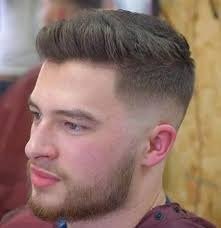
This is a refined, clean version of the quiff that suits men who prefer subtlety over boldness.
The hair on top is kept short with just a gentle lift at the front, while the sides taper slowly and smoothly down to the skin. The low fade keeps things understated, letting the quiff take center stage without overwhelming the overall look.
Style the top with a small amount of matte clay, blow-dry for a light lift, and shape gently with your fingers. Ask your barber to keep the taper low and gradual. This look is polished, professional, and works exceptionally well with straight or slightly wavy hair.
Tousled Textured Quiff with Low Fade
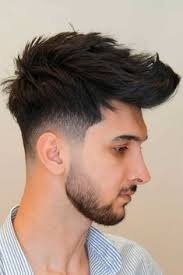
This style captures that effortlessly cool energy that looks like you just rolled out of bed and somehow ended up looking great.
The top is full of texture and volume, deliberately tousled for a lived-in, relaxed vibe. The low fade on the sides keeps it grounded and sharp, preventing the messy top from looking unkempt.
Apply a sea salt spray or texturizing cream to damp hair before blow-drying. Once dry, work matte clay through the top with your fingers, scrunching slightly to build texture. This style works particularly well for men with thick or naturally wavy hair.
Wavy Quiff
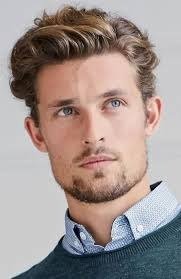
If you have naturally wavy hair, the wavy quiff is one of the most flattering styles you can choose.
Instead of fighting your natural wave pattern, this style works with it. The waves add natural texture and movement to the quiff, giving it a relaxed, almost beachy quality that feels both stylish and authentic.
Apply a light styling cream or sea salt spray to damp hair, then blow-dry upward while using your fingers to encourage the waves toward the front. Avoid heavy products that will weigh the waves down. Let the natural movement do the work, and the result will feel effortlessly stylish.
Short Textured Quiff with Mid Fade
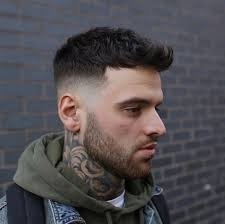
This is a bold, modern take on the short quiff that adds texture and contrast for a more impactful look.
The hair on top is cut short but styled with clear texture and volume. A mid fade on the sides creates a visible, sharp contrast that draws the eye upward and emphasizes the quiff. It is a great style for men who want something eye-catching without going too long on top.
Use a matte clay or texturizing cream and blow-dry the top upward. Work the product through with your fingers to define the texture and build height at the front. Ask your barber for a mid skin fade on the sides to really make the contrast pop.
Messy Quiff with Taper Fade
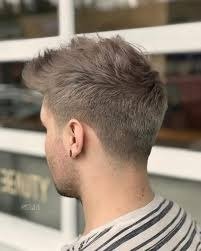
The messy quiff with a taper fade blends casual styling with barbershop precision in a way that looks sharp without feeling too formal.
The top is deliberately tousled and full of movement, while the tapered sides bring structure and neatness to the overall silhouette. It is a style that manages to look both relaxed and well put-together at the same time.
Run a sea salt spray through damp hair and scrunch it loosely before blow-drying. Once dry, add a small amount of matte paste or clay and use your fingers to tousle the top into shape. The taper on the sides frames the face cleanly and makes the messy top look intentional rather than sloppy.
Long Quiff
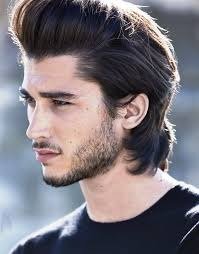
For men who are willing to grow out their hair, the long quiff delivers maximum drama and visual impact.
With significantly more length on top, the long quiff creates a tall, sweeping volume that commands attention. It is bold, expressive, and works beautifully for men with straight or slightly wavy hair who want a style with real presence.
Growing out the length takes patience, but the styling process is worth it. Apply a strong-hold pomade or styling cream to damp hair and use a round brush with your blow dryer to build upward lift from the roots. Sweep the hair back smoothly for a dramatic, high-volume finish that turns heads.
Thick Quiff Fade
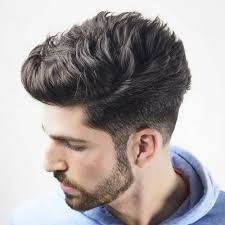
If you are blessed with thick, dense hair, the thick quiff fade is built specifically for you.
This style lets the natural volume of thick hair shine. The top is full and lush, styled upward for maximum impact, while a fade on the sides removes some of that bulk to keep the overall shape clean and intentional. The contrast between the dense top and the tight fade sides is visually striking.
Use a medium-hold matte clay and blow-dry the top upward, working in sections if needed to manage the thickness. Ask your barber to take the sides down with a fade that complements the fullness on top. This style turns your hair’s thickness from a management challenge into its biggest asset.
Full Textured Quiff with Low Skin Fade
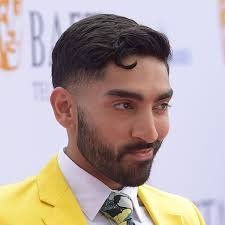
This is one of the most refined and detailed versions of the quiff, combining full volume on top with the precision of a low skin fade on the sides.
The texture on top is rich and layered, while the skin fade on the sides creates a ultra-clean finish that almost looks sculpted. It is a barbershop-quality style that requires a skilled cut but rewards you with a seriously impressive result.
At home, maintain the texture using a matte clay or pomade worked through the top with your fingers. Ask your barber specifically for a low skin fade, where the hair fades all the way down to the skin at the bottom. Keep the fade refreshed every two to three weeks so it stays sharp.
Tousled Short Quiff with Low Fade

This style is all about effortless charm. Short on length but big on personality, the tousled short quiff with a low fade is approachable and easy to style while still looking sharp.
The top stays short but is styled loosely, with a bit of intentional disorder that gives the look warmth and character. The low fade underneath keeps it looking intentional and groomed rather than just unkempt.
Work a small amount of matte clay or hair paste through damp hair and rough-dry it with a diffuser or by hand. Do not over-style. The goal is a relaxed, natural finish that looks good without looking labored over.
Messy Wavy Quiff with Low Taper
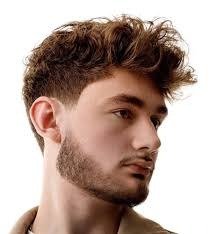
This is a style that celebrates natural texture above all else.
Wavy hair is left to express its natural movement, styled into a loose, messy quiff shape at the front. The low taper on the sides adds enough structure to keep the whole look together without making it feel too controlled or rigid.
Apply a curl-enhancing cream or sea salt spray to damp hair and allow it to dry naturally or with a diffuser. Once dry, use a tiny amount of matte clay to lift and loosely shape the front into a quiff form. The waves do most of the heavy lifting. Your job is simply to guide them into place.
Natural Quiff with High Fade
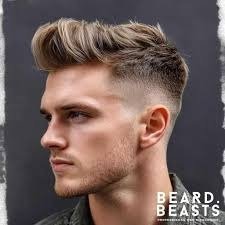
The high fade is a bold choice that creates maximum contrast, and when paired with a natural quiff on top, the effect is striking.
The hair transitions from skin or near-skin at the sides all the way up to a full, naturally styled quiff on top. The dramatic contrast between the two makes the top section look even more impressive.
Keep the top looking natural and slightly textured using a light cream or spray. The high fade needs regular maintenance at the barber, typically every two weeks, to keep the contrast sharp and clean. This style makes a real statement and suits men who are comfortable with a bold, attention-grabbing look.
Undercut Quiff
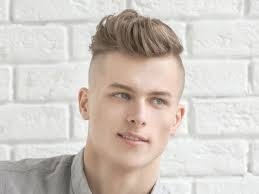
The undercut quiff is the definition of a classic reimagined. Instead of a fade that gradually tapers, the undercut features a hard, disconnected line where the shorter sides meet the longer top.
This creates a very bold, architectural contrast that gives the quiff a sharp, dramatic edge. It has roots in both retro barbering and modern fashion, making it a style that feels simultaneously nostalgic and current.
Ask your barber to clipper the sides short and create a clear disconnection line rather than a blended taper. At home, slick the top back or forward into your preferred quiff shape using a strong-hold pomade. This look pairs exceptionally well with formal or smart-casual outfits.
Youthful Short Quiff with Drop Fade and Beard
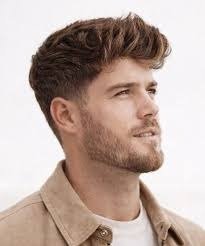
This combination is energetic, modern, and deeply stylish.
The drop fade curves down behind the ear, creating a smooth, natural-looking line that frames the face. A short quiff sits on top with just enough lift to add youth and energy to the look. Add a well-groomed beard and you have a style that is both fresh and mature at the same time.
Keep the quiff light and natural using a matte clay, and ensure the beard is trimmed and shaped to complement the drop fade line. Ask your barber to follow the hairline naturally when executing the drop fade for the most flattering result on your specific head shape.
Textured Quiff with Sharp Fade
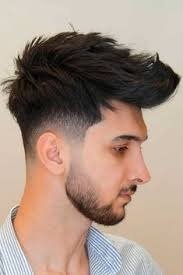
This is a style built around contrast and precision.
The top is full of deliberate texture and movement, while the sides are faded with a sharp, clean line that looks almost laser-etched. The combination of the relaxed top and the ultra-precise sides creates a dynamic visual tension that makes this style incredibly eye-catching.
Use a texturizing product on top and style it loosely with your fingers. Ask your barber to keep the fade line sharp and defined. This style requires regular barber visits to maintain the sharpness of the fade, but the result is always worth it.
Edgy Blonde Quiff
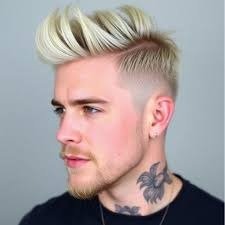
Color and cut working together can take a great style and make it unforgettable. The edgy blonde quiff is proof of that.
Whether you are naturally blonde or have lightened your hair, a quiff in blonde or platinum tones catches light beautifully and adds visual drama to the textured top. The contrast between lighter hair and darker roots adds even more depth and dimension.
Maintain the health of color-treated hair with regular conditioning. Style the quiff using a salt spray and matte clay to prevent the color from looking flat. The texture helps the blonde tones reflect light, amplifying the overall effect of the style.
Long Quiff Fade
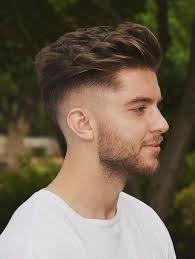
The long quiff fade takes the drama of a long quiff and refines it with a modern fade on the sides.
The top section is grown out long enough to sweep back dramatically or forward into a bold, sweeping front. The fade on the sides ensures that despite the length on top, the overall silhouette stays clean and well shaped.
Use a strong-hold pomade or styling cream to manage the length on top and build the sweeping volume. A round brush during blow drying will help create and control the shape. This is a high-commitment style in terms of both length and maintenance, but it delivers results that are genuinely hard to ignore.
Straight Smooth Quiff with Mid Skin Fade
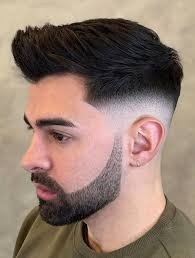
If sleek sophistication is what you are after, this is your style.
The top is blown straight and smooth, with not a strand out of place. It is combed and styled into a clean, structured quiff shape with a glossy or semi-glossy finish. The mid skin fade on the sides adds a modern edge that prevents the look from feeling too old-fashioned.
Use a smoothing cream and a fine-tooth comb during blow-drying to achieve the straight, polished finish. A medium-hold shiny pomade applied last will give you that signature smooth sheen. This style works best for men with naturally straight or easily straightened hair.
Curly Quiff
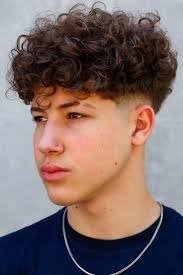
Men with naturally curly hair sometimes feel limited in their styling options. The curly quiff proves otherwise.
Instead of fighting the curl pattern, the curly quiff works with it. The curls are encouraged upward and forward into a quiff shape, creating a style that is full of volume, bounce, and personality. It is distinctive, joyful, and works particularly well for men with tighter curl patterns.
Apply a curl-defining cream or light mousse to damp hair and use a diffuser to dry it while encouraging the curls upward at the front. Avoid heavy products that would weigh the curls down and kill the volume. The curly quiff thrives on bounce, so let the natural spring of your curls do its thing.
What Is A Quiff Haircut?
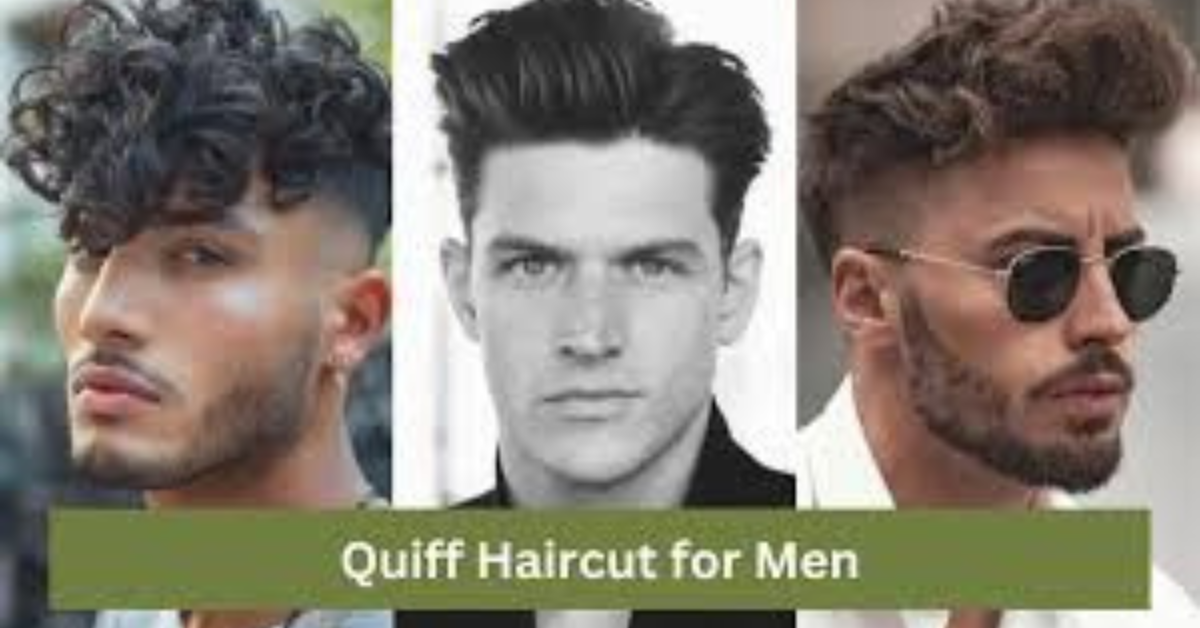
The quiff haircut is a men’s hairstyle defined by shorter sides and longer hair on top that is styled upward, forward, and slightly back to create visible volume and height at the front of the head.
The word “quiff” itself is believed to have roots in old European slang, referring to a small tuft or lock of hair at the forehead. By the 1950s, it had become a defining symbol of youth rebellion, worn by rock-and-roll fans who combined elements of the pompadour with a forward-swept fringe.
Today, the quiff borrows from multiple influences. It shares DNA with the pompadour, the brush-up, and the slick back. But it is distinct from all of them.
The key difference between a quiff and a pompadour is direction. A pompadour sweeps the hair entirely backward, creating a smooth, high arch. A quiff, by contrast, sweeps the hair upward and forward, creating a peak or lift at the front rather than a swept-back arch.
Unlike the brush-up, which pushes all the hair straight up, the quiff has a directional quality. There is always a sense of movement toward the front of the head.
The quiff works for almost every hair type, from straight to wavy to curly. It suits most face shapes too, particularly oval, square, and rectangular faces, where the added height at the top creates a balanced, proportional silhouette.
It is equally at home in a boardroom as it is at a festival. That adaptability is why the quiff haircut has remained one of the most popular men’s hairstyles in the world for over seventy years.
How To Style A Quiff
Styling a quiff at home is much simpler than it might look. Once you understand the basic technique, you can adjust it to suit your preferred variation and hair type.
Here is a clear, step-by-step breakdown of how to do the quiff haircut styling process at home.
Step 1: Start with damp hair.
Towel-dry your hair after washing so it is damp but not dripping wet. Styling a quiff on soaking wet hair makes it harder to control. Completely dry hair is also difficult to work with because the product will not distribute evenly. Damp is the sweet spot.
Step 2: Apply your styling product.
Choose your product based on the finish you want. For a smooth, classic quiff, use a medium-hold pomade. For a textured or messy quiff, use a matte clay or sea salt spray. For a long quiff requiring strong hold, use a firm pomade or styling cream.
Apply the product evenly through the top section of your hair, focusing on the roots and the front section where the quiff will sit.
Step 3: Blow-dry for volume and direction.
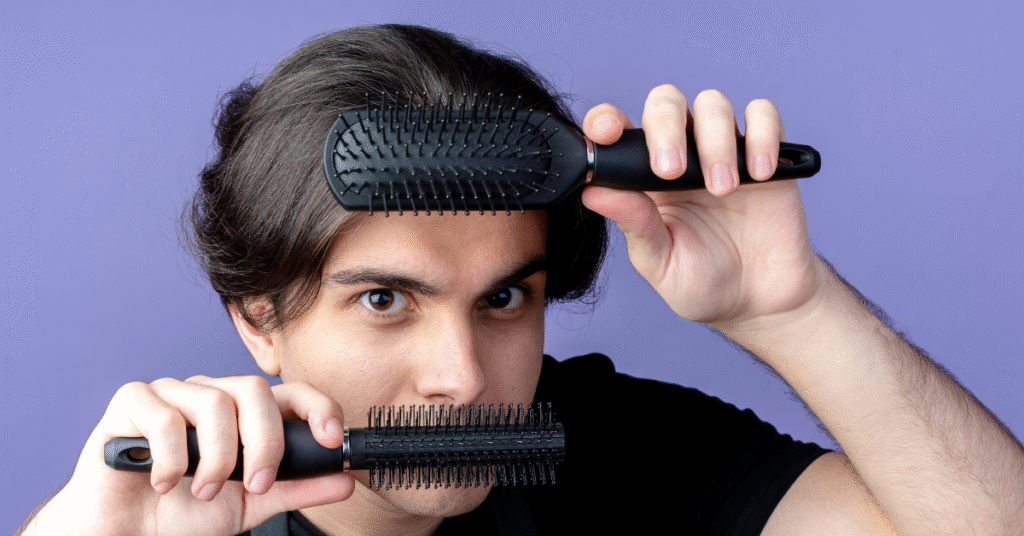
This is the most important step. Use a blow dryer set to medium heat and a round brush or your fingers to direct the hair upward and slightly forward at the front. Keep the dryer moving to avoid heat damage in one spot.
Lift at the roots is what creates the characteristic height of the quiff. Spend extra time on the front section, holding the hair upward while the warm air sets the lift into shape.
Step 4: Shape the quiff.
Once the hair is dry and the volume is in place, use your fingers or a comb to shape the quiff. For a classic finish, use a wide-tooth comb to sweep the front back and smooth the sides. For a textured or messy finish, use your fingertips to separate sections slightly and create more movement.
Step 5: Lock it in place.
Apply a small additional amount of product to the surface to lock the shape in place and add your desired finish. For shine, a shiny pomade works well. For a natural, matte look, finish with a light clay or paste. Less is more at this stage. You do not want to flatten the volume you have worked to build.
Step 6: Touch up throughout the day.
If your quiff starts to lose its shape during the day, do not panic. Run your fingers through it and gently lift the front section back up. A tiny amount of product reactivated with a little water on your fingertips can restore the shape quickly.
With practice, the whole process from damp hair to finished quiff takes around five to ten minutes. That is a small investment for a style that carries this much impact.
The quiff haircut is one of those rare styles that rewards effort without demanding too much of it. Whether you are going for a sharp classic quiff, a casual messy quiff, or a bold long quiff fade, the fundamental technique stays the same.
Master the basics, find the variation that suits your personality and hair type, and you will have a hairstyle that works hard for you every single day.
Which Quiff Haircut Suits Your Face Shape?
Not every quiff works equally well for every face shape. Choosing the right variation based on your face shape makes a huge difference in how balanced and proportional your overall look feels.
Use this quick guide to find the best match for your face shape.
| Face Shape | Best Quiff Style | Why It Works |
| Oval | Classic Quiff / Modern Quiff | Oval faces are naturally balanced. Almost every quiff variation works, but the classic and modern quiff keep that balance looking intentional and sharp. |
| Square | Textured Quiff / Messy Quiff | Soft texture at the top rounds off the strong jaw and angular features, creating a more relaxed, proportional look without losing masculinity. |
| Round | Long Quiff / Quiff Fade / Natural Quiff with High Fade | Height at the top elongates a round face. A high fade on the sides slims the silhouette further. Avoid wide, flat quiffs that add visual width. |
| Oblong / Rectangular | Wavy Quiff / Messy Quiff with Taper Fade | Longer face shapes benefit from styles that add width rather than extra height. Waves and textured volume spread outward, creating a fuller, more balanced appearance. |
| Diamond | Short Quiff / Short Quiff with Low Taper Fade | Diamond faces have wide cheekbones and a narrow chin. A shorter, controlled quiff keeps the focus central without exaggerating the width at the cheeks. |
If you are unsure of your face shape, take a photo looking straight at the camera and trace the outline. Your widest point, your jawline shape, and the length versus width ratio will tell you everything you need to know.
How to Ask Your Barber for a Quiff Haircut
Walking into a barbershop knowing exactly what to say is half the battle. Barbers are skilled professionals, but they cannot read minds. The clearer your brief, the better your result.
Here is exactly what to say and ask for each popular quiff variation.
For a Classic Quiff: “I want a quiff with shorter sides, no fade. Leave plenty of length on top, around two to three inches, and I will style it upward and back. Keep the sides tapered but not too tight.”
For a Quiff Fade: “I want a quiff on top with a mid fade on the sides. Leave enough length at the front to style upward. Blend the fade so it is gradual, not a hard line.”
For a Textured Quiff: “Can you cut the top with some texture and layers rather than blunt? I want movement in the hair, not a smooth finish. Keep the sides with a low taper or low fade.”
For a Short Quiff: “Keep the top short but leave just enough at the front for a small lift. Around an inch to an inch and a half on top. Tidy up the sides with a low taper.”
For a Messy Quiff: “I want a longer top, around two to three inches, but point-cut the ends for texture. I do not want a blunt or polished finish. Low to mid fade on the sides.”
One final tip: always bring a reference photo. Even the most accurate verbal brief becomes clearer when your barber can see the exact look you are going for. Screenshots from this guide work perfectly.
Frequently Asked Questions About the Quiff Haircut
Here are the answers to the most common questions men have about the quiff haircut.
What is the difference between a quiff and a pompadour?
A pompadour sweeps hair backward, while a quiff lifts it upward and forward to create a peak at the front.
What hair length do you need for a quiff?
At least one inch for a short quiff, two to three inches for a classic or medium quiff, and three or more for a long quiff.
Can men with thin or fine hair pull off a quiff?
Yes, just use a volumizing spray and avoid heavy waxes that flatten fine hair.
Can men with curly hair wear a quiff?
Yes, use a curl-defining cream and a diffuser to shape the curls upward into a quiff at the front.
How often should you get a quiff haircut trimmed?
Every two to three weeks for fade styles, and every four to six weeks for classic quiff styles.